
Looking ahead to 2026, the advertising landscape is about to undergo a major transformation, especially in the ride-hailing and taxi service sectors. Integrating transparent LED screens into vehicles will inevitably revolutionize the way brands interact with consumers, making it a key trend in future mobile advertising. This article will explore why transparent LED screens are becoming a mainstream media for ride-hailing and taxi service advertising.
The Rise of Ride-Hailing Advertising
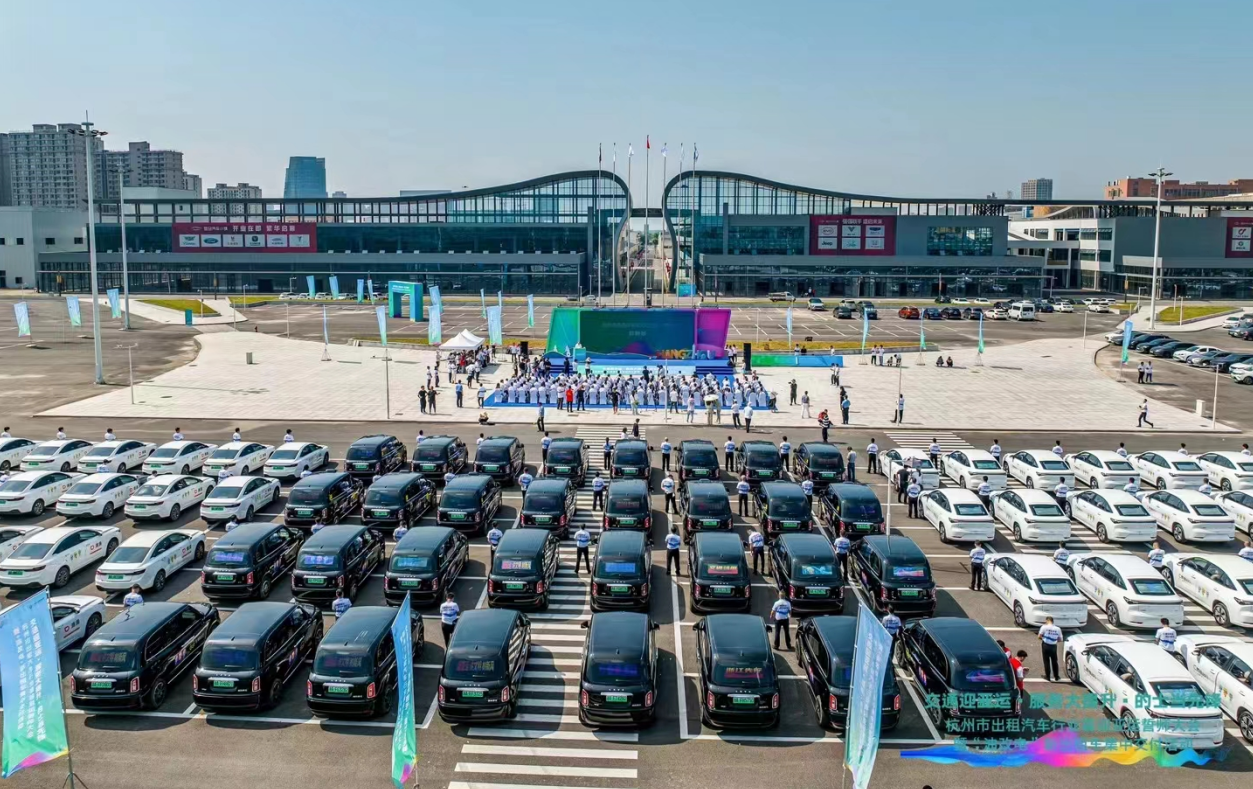
Over the past decade, the ride-hailing industry has experienced exponential growth, led by companies like Uber and Lyft. As these platforms continue to expand, opportunities for innovative advertising solutions have emerged. Traditional advertising methods, such as static billboards and print ads, are becoming increasingly ineffective at capturing the attention of mobile consumers. Ride-hailing advertising offers a dynamic alternative, enabling brands to reach potential customers in real time as they navigate urban environments.
The Transparent LED Screen Trend
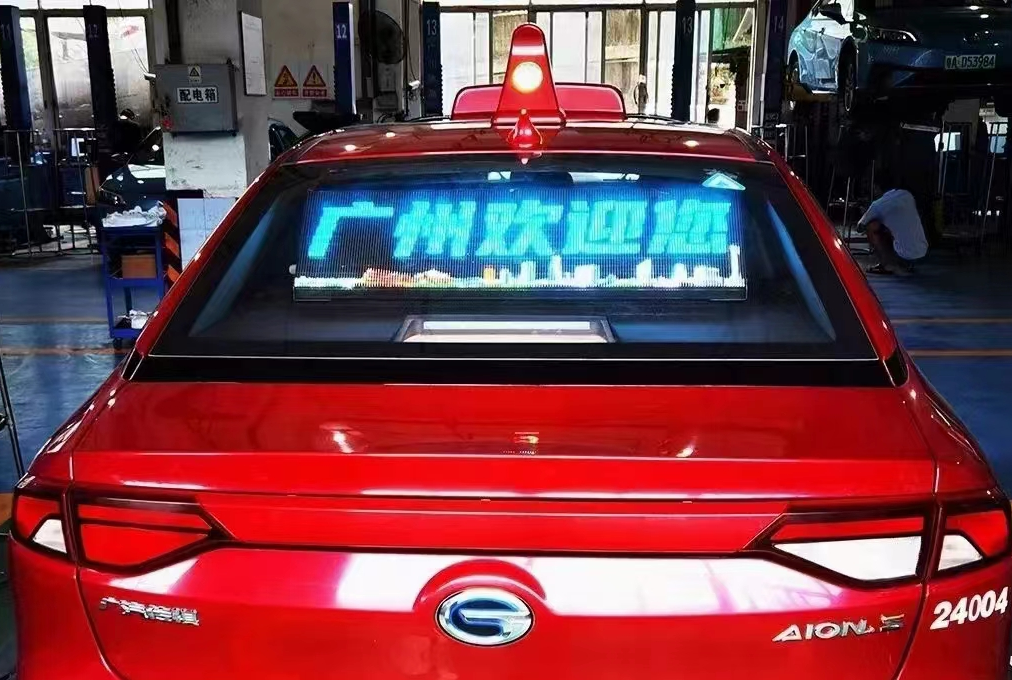
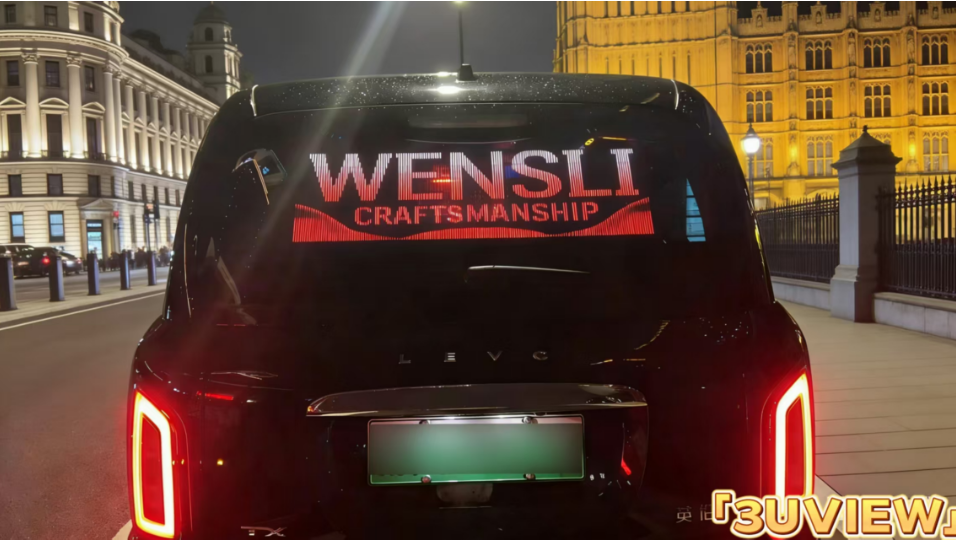
Transparent LED screens are revolutionizing the advertising industry. Unlike traditional displays, these screens offer a unique viewing experience, allowing passengers and pedestrians to see both the interior of the vehicle and vibrant, eye-catching content simultaneously. This dual functionality not only enhances the aesthetics of vehicles but also provides advertisers with a multi-functional platform to showcase their messages.
The trend towards advertising transparency is emerging across various industries. As consumers become more discerning and demand authenticity, brands are seeking innovative ways to engage their audiences. Transparent LED screens perfectly fit this shift, offering a modern, interactive medium that resonates with tech-savvy consumers.
Enhancing the Ride-Hailing/Taxi Experience
Integrating transparent LED screens into ride-hailing/taxi vehicles offers far more than just advertising; it serves as a city’s promotional window, enhancing its digital image and ultimately benefiting ride-hailing/taxi companies, advertisers, and governments.
Furthermore, the ability to customize content in real-time allows for precise targeting based on passenger location, time, and even demographic information. For example, restaurants can promote lunch specials in bustling commercial areas during peak hours and focus on promoting local events in the evening. This high degree of personalization is fundamentally changing the mobile advertising landscape.
The Future of Mobile Advertising
With 2026 approaching, the application of transparent LED screens in ride-hailing and taxi advertising is no longer just a trend; it foreshadows the future direction of mobile advertising. With technological advancements, we can expect these screens to become more affordable and widely adopted across the industry.
In addition, the data-driven nature of digital advertising will lead to more efficient advertising campaigns. Advertisers can analyze interaction metrics and adjust strategies in real time to ensure their messages resonate with their target audience. This adaptability is crucial in a rapidly changing market where consumer preferences are constantly evolving.
By 2026, the rise of transparent LED screens in ride-hailing and taxi advertising will undoubtedly reshape the advertising landscape. As brands seek innovative ways to connect with consumers, these screens stand out with their unique visibility, interactivity, and personalization. The future of mobile advertising is bright, and transparent LED screens are leading this trend, promising to deliver more interactive and effective advertising experiences for brands and consumers.
Post time: Feb-03-2026


